
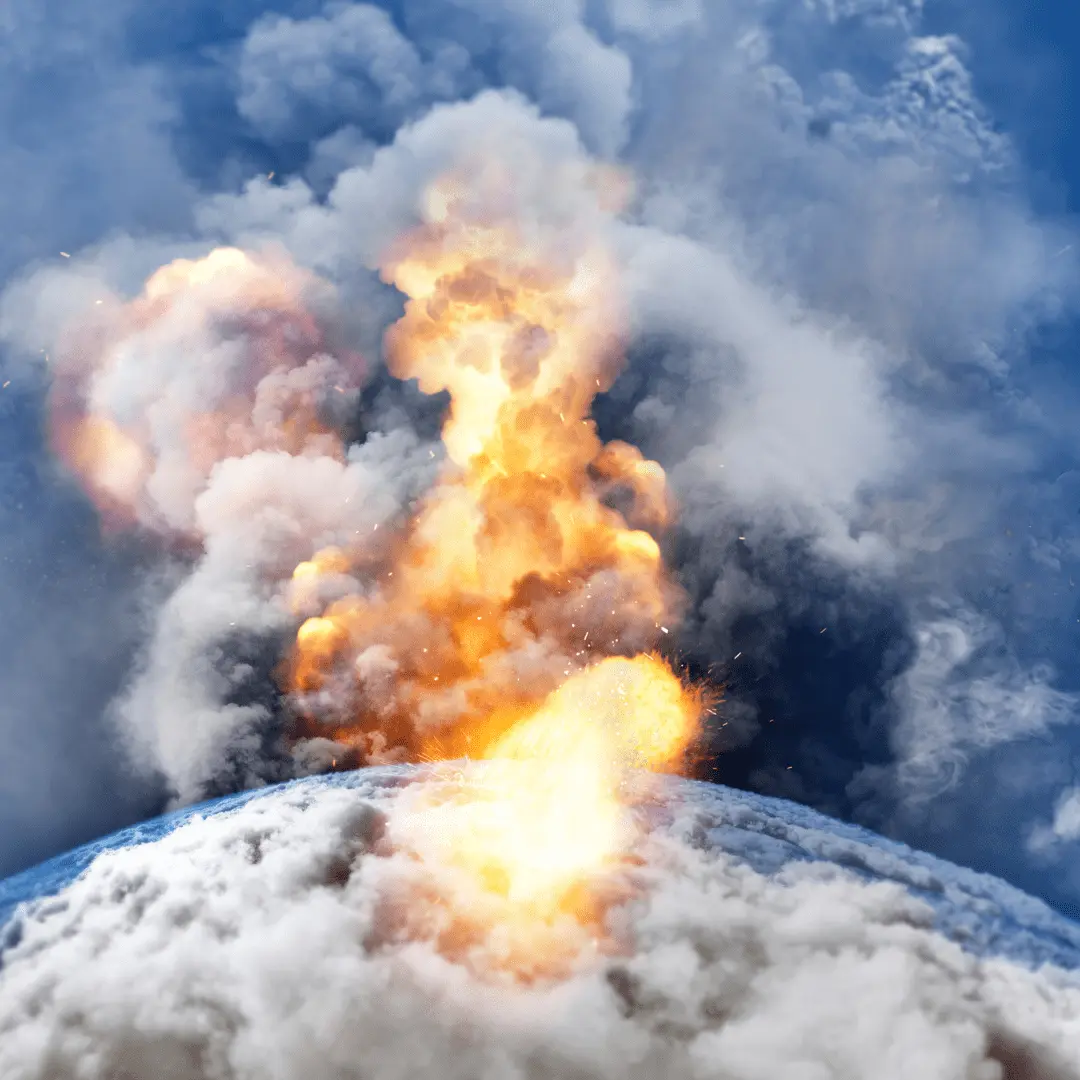
In recent years,natural disastershave affected millions worldwide, a trend that’s only intensifying with the impacts ofclimate change.The United Nationshas reported a significant increase in such events over the past five decades, highlighting an urgent need for innovative solutions indisaster management. EnterArtificial Intelligence (AI) and Machine Learning (ML), technologies at the forefront of revolutionizing how we predict, respond to, and recover from these calamities.
Harnessing AI and ML in Responding to Natural Disasters
Predictive Analysis and Damage Assessment
With the advent ofAI in disaster management, the ability to process and analyze vast amounts of data in real-time has become a game-changer. Projects likethe U.S. Department of Defense’s xView2leverage ML to rapidly assess damage post-disaster, significantly reducing response times and saving lives. Similarly, predictive tools, such as IBM’s PAIRS Geoscope and Texas A&M University’s resilience assessment model, utilize historical data to forecast future disasters, enabling preemptive measures.
AI-Powered Dispatching and Communication
The efficiency of emergency response is further enhanced byAI-powered dispatchingsystems. For example, IBM Watson’s integration with the Association of Public-Safety Communications improves the management of distress calls during peak times. Meanwhile, AI-assisted communication tools like the Red Cross’s Clara chatbot disseminate vital information quickly and cost-effectively through social media.
The Role of AI in Social Media and Cloud-Based Solutions
The analysis of social media data through platforms like AIDR, which provide real-time actionable information during disasters, illustrates the growing importance ofAI in social mediafor disaster management. Furthermore,cloud-based emergency managementsystems, such as Havrion Protect, facilitate the seamless coordination of responses across various devices and platforms.
Navigating Challenges and Looking to the Future
While the integration of AI into disaster management offers numerous advantages, it’s not without its challenges. The need for high-quality, extensive datasets, the complexity of disasters, and the focus on specific communities are some of the hurdles faced by researchers and practitioners. However, the potential of AI to enhance disaster resilience is undeniable, promising to fill critical gaps in current systems through improved data analysis, collaboration, and the synergy between machine and human intelligence.
Securing Your Business Against Uncertainty withNextBrain AI
In today’s volatile business landscape, preparing fornatural disastersor economic downturns is crucial.NextBrain AIoffers predictive insights through advanced data analysis, helping businesses identify potential threats and opportunities. By enriching your data with diverse sources, you can fortify your business against future uncertainties. Discover the power of your data with NextBrain AI—book a demotoday to secure your business for tomorrow.
- EtiquetasAI and ML in emergency response,AI for predicting natural disasters,AI in Social Media,AI tools in disaster response,AI-Assisted Communication,AI-Powered Dispatching,Artificial Intelligence in Disaster Management,Challenges of AI in disaster management,Climate Change,Cloud-Based Emergency Management,Damage Assessment,Future of AI in disaster management,Improving disaster resilience with AI,Machine Learning,Natural Disasters,Predictive Analysis